
Native Pleasures: Sexuality, Identity and Gender in Indigenous Societies
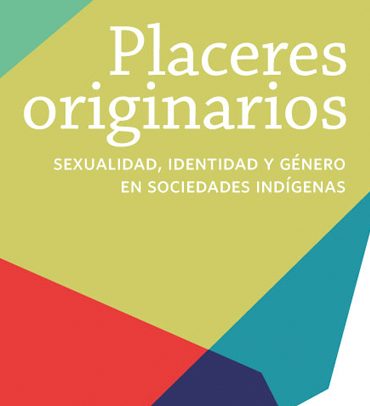
The exhibition “Native Pleasures: Sexuality, Identity and Gender in Indigenous Societies” brings together pre-Columbian archaeological pieces -erotic Moche ceramics-, accounts and illustrations by the European conquistadors -in a video specially produced for the exhibition, narrated by the voices of Dani Umpi and Mónica Navarro-, the ethnographic photographs “Muxes: en las fiestas de San Vicente” by Florentino Fuentes, the documentaries “Las intrépidas buscadoras de peligro” by Bernardo Loyola and “Las intrépidas de Juchitán” by Alejandra Islas, and existing ethnohistorical studies on the subject.
The exhibition aims to bring us closer to the American groups of the past and present through particular aspects related to the body, sexuality, sexual and gender diversity, and their relationship with identity. The body and the practices associated with it are cultural expressions and, as such, valid elements for approaching the way of life of any society. They constitute the setting in which individuals, in groups, communities, or societies, are embedded.
Through manifestations associated with the body, we can come to understand how different Indigenous societies, past and present, relate to it and how, based on it, they articulate their practices, identity markers, power, economic, political, and social relations, artistic expressions, and religious beliefs, among other elements. Understanding these social realities -where roles and behaviors assigned and expected according to gender as a social construction transcend the biological determinism inherent to sex- means attempting to dismantle Western categories in order to allow a conceptual opening around the subject, making possible a greater understanding of realities distant from those that structure the predominant social organizations.
The exhibition proposes a look across time through different sociocultural contexts, covering cultural expressions from the pre-Columbian period, the colonial era, and contemporary minority ethnic contexts, based on the diversity of sociosexual orders and sex/gender systems among the Indigenous groups that developed on our continent.
The opening will feature the participation of the artists Dani Umpi and Mónica Navarro.
As part of the exhibition, Amaranta Gómez Regalado, leader and activist of the Muxe community, will visit MAPI -with the sponsorship of the Embassy of Mexico in Montevideo- to give a lecture on her culture.
The term muxe (‘mushe’) is used in the Zapotec communities of the Isthmus of Tehuantepec (Mexico) to describe transgender people who take on feminine roles in the community. Since before the arrival of the Spanish, muxes were considered part of a third sex with a well-defined space and social role.