
Nativity, Gazes Through Time
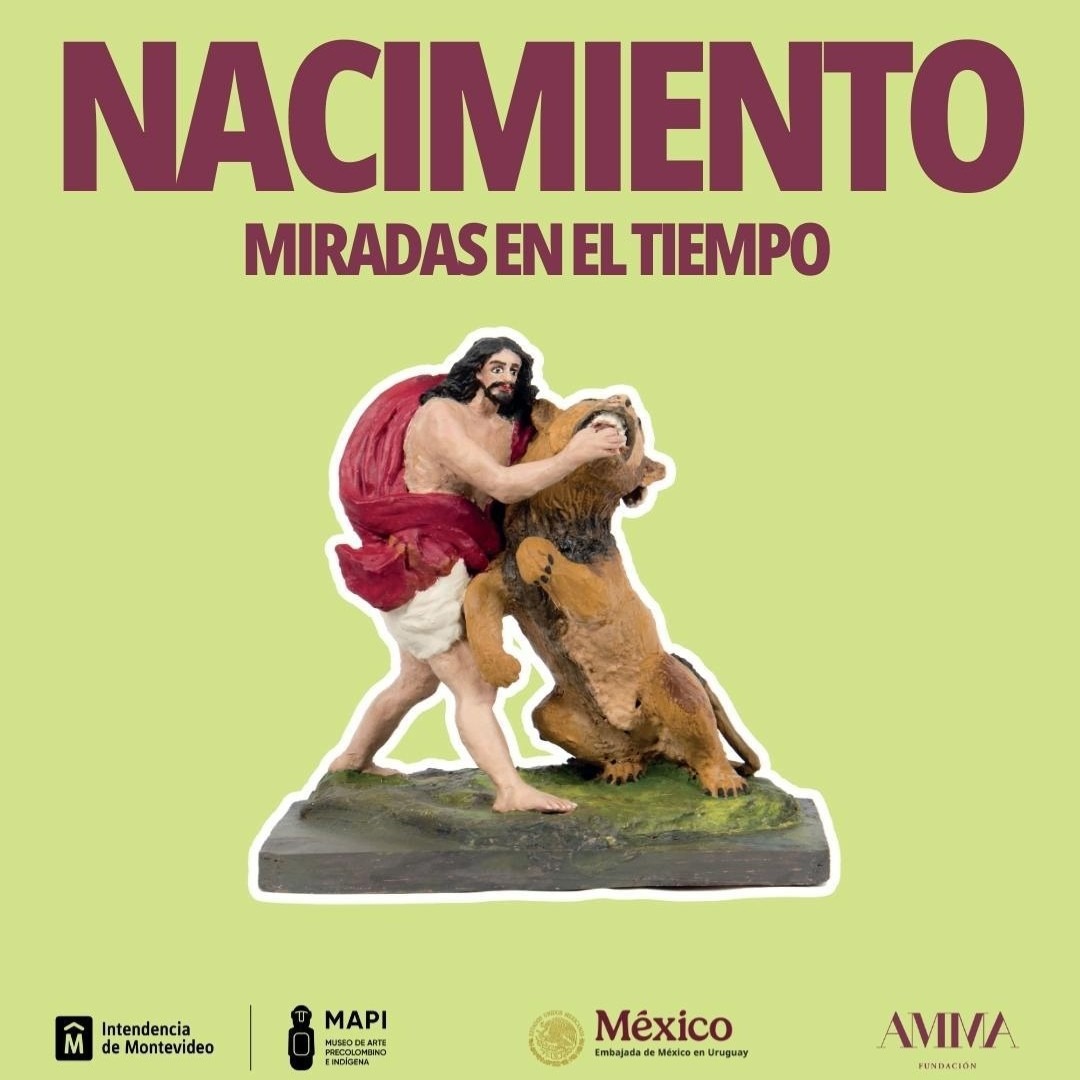
Polychrome clay figures: Felipe Nieva (Mexico)
Sound installation: Francisco Eme
Curatorship and museography: MAPI – AMMA A.C.
A proposal that brings together more than 1,100 polychrome clay figures created by the Mexican artisan Felipe Nieva, capable of unfolding a narrative universe spanning nearly 50 biblical passages. From Paradise and the stories of the Old Testament to the birth of Jesus, each scene is built with a vibrant, dynamic and deeply human figurative-expressionist language.
The pieces are arranged in a contemporary museographic itinerary that favors both detailed contemplation and the narrative reading of each episode. Intense colors, amplified gestures and highly expressive compositions turn these works into living testimonies of the tradition of popular sacred art.
The installation is completed by a sound work by Francisco Eme, which dialogues with the display cases and accompanies visitors in an immersive sensory experience. Image and sound intertwine to propose a renewed reading of stories that form part of the collective imagination of diverse cultures.
A contemporary look at tradition
“Nativity, Gazes Through Time” brings together craftsmanship, sacred art and contemporary creation, inviting visitors to explore central episodes of the biblical imagination from a present-day sensibility. The exhibition:
Values artisanal work and popular tradition as cultural heritage
Invites reflection on the narratives of the Old and New Testaments from a contemporary aesthetic perspective.
Creates a dialogue between faith, art and heritage, appealing to diverse audiences.
Impact and installation
The installation at MAPI proposes an immersive itinerary in which the pieces dialogue with the museum’s architecture. The display cases, lighting and narrative layout invite a slow passage, where each figure reveals its symbolic and emotional power. The sound work enhances this reading and amplifies the sensory dimension of the experience.
The exhibition thus stands as a cultural landmark, both for its scale and for its ability to connect tradition, memory and creation in a single proposal.