
NINGYŌ: Art and Beauty of Japanese Dolls
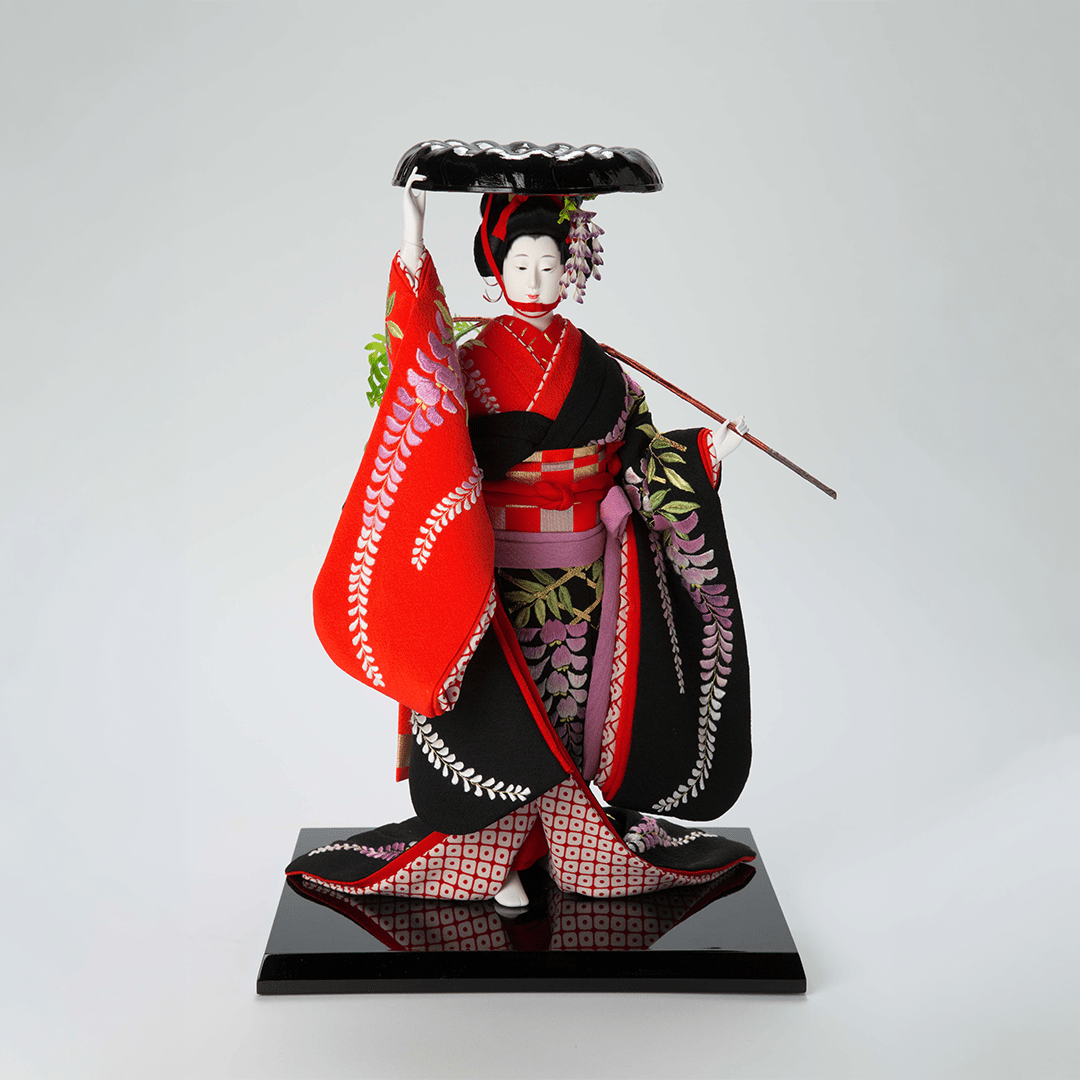
MAPI presents “NINGYŌ: Art and Beauty of Japanese Dolls”, a traveling exhibition of the Japan Foundation that offers a journey through the vast and diverse culture of dolls in Japan.
The Japanese word ningyō literally means “human form”. Through 67 carefully selected pieces, the exhibition traces the evolution of these figures from their ancient ritual origins to their artistic, popular and contemporary expressions.
Far from being limited to the realm of play or decoration, Japanese dolls have historically been linked to beliefs, family celebrations, the protection of children, the performing arts, fashion, everyday life and the aesthetic ideals of different eras.
The exhibition is organized into four major sections: “Ningyō to pray for children’s growth”, “Ningyō as art”, “Ningyō as folk art” and “Spread of ningyō culture”.
Ningyō to pray for children’s growth
The first section presents the ritual origins of Japanese dolls. Since ancient times, symbolic human figures were made to ward off bad luck, absorb impurities or protect people. Among them are the katashiro, simple paper figures still used in purification ceremonies at Shinto shrines, and the amagatsu and hōkō, used to protect newborns.
The exhibition also looks at celebrations such as Hina Matsuri, held every March 3 to wish girls happiness and well-being, and Tango no Sekku, celebrated on May 5 to pray for the healthy growth of boys. Dolls of legendary heroes, warriors, emperors and protective characters are part of these traditions passed down through the generations.
Ningyō as art
From the 17th century onward, the refinement of manufacturing techniques meant that dolls also began to be valued as artistic objects. This section shows the delicacy of styles such as the Gosho Ningyō, inspired by healthy babies and linked to the imperial court; the luxurious Saga Ningyō, decorated with gold leaf and paint; the stylized Nara Ningyō, carved in wood; and the Ishō Ningyō, dressed in garments made following the same procedures used in traditional Japanese clothing. The carving, painting, fabrics, embroidery and small accessories reveal the collective work of many specialized artisans and a pursuit of precision that turns each piece into a work of extraordinary complexity.
Ningyō as folk art
Doll culture also developed among the communities and popular sectors of different regions of Japan. Made with accessible materials such as clay, paper or wood, these pieces reflect the customs, trades, stories and particular characteristics of each territory. The exhibition includes, among others, the recognizable Kokeshi, the Miharu paper dolls, the Daruma associated with perseverance and good fortune, and various types of clay dolls produced in different Japanese localities. Their shapes, colors and materials bear witness to popular creativity and to the close relationship between dolls, everyday life and regional identities.
Spread of ningyō culture
The final section shows how traditional manufacturing techniques expanded into the performing arts, modern toys and contemporary visual culture. Here we find the large puppets used in traditional Jōruri theater, the decorated oshie hagoita paddles, the articulated Ichimatsu dolls, works by contemporary artists and toys such as Licca-chan, one of the most popular dolls in Japan today.
The journey culminates with collectible figures inspired by characters from manga, anime and video games, whose technical precision and ability to bring two-dimensional characters into three-dimensional space have earned international recognition.
“NINGYŌ: Art and Beauty of Japanese Dolls” thus offers a broad introduction to a tradition in constant transformation. Each doll preserves stories, prayers, knowledge and affections, showing how a small-scale object can hold a significant part of a society’s cultural memory.